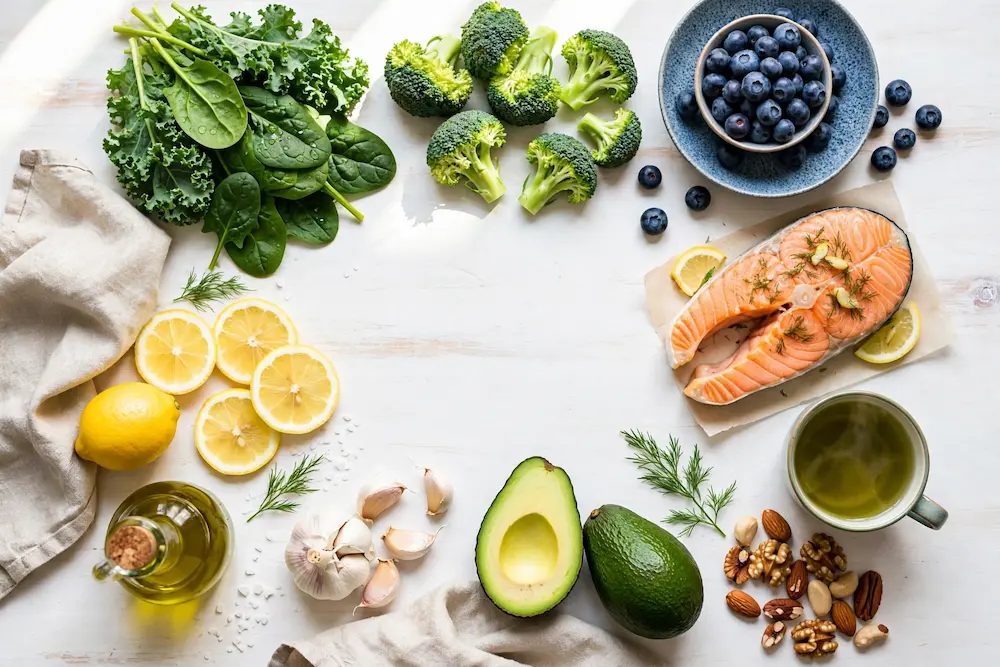

What Is the Best Immune Food? 10 Foods for Immunity
Your immune system works every day to protect your body against harmful bacteria, viruses, and other threats. While no single food can prevent every infection or instantly strengthen your immunity, eating a balanced diet can provide the nutrients your immune system needs to function properly.
So, what is the best immune food? If you want one simple answer, citrus fruits such as oranges are an excellent choice because they provide vitamin C, which supports normal immune function. However, there is no single best food for everyone. Foods containing protein, zinc, vitamin A, vitamin D, and other essential nutrients also play important roles in maintaining a healthy immune response.
The most effective approach is to eat a variety of nutrient-rich foods regularly rather than relying on one ingredient or an expensive immunity supplement.
What Is the Best Food for the Immune System?
There is no scientifically established single best immune food. Citrus fruits, berries, leafy green vegetables, yogurt, eggs, nuts, seeds, beans, and fatty fish can all contribute to a healthy immune system.
The best choices depend on your overall diet and nutritional needs. For example, oranges provide vitamin C, beans supply protein and minerals, yogurt may provide beneficial live cultures, and eggs contain protein and several essential vitamins.
Instead of focusing on one so-called superfood, aim to include different food groups in your daily meals.
10 Best Foods for Immune Health
1. Oranges and Other Citrus Fruits
Oranges, lemons, grapefruits, and mandarins are well-known sources of vitamin C. This vitamin supports the normal functioning of immune cells and helps protect cells from oxidative damage.
Your body cannot produce vitamin C on its own, so you need to obtain it through your diet. Eating whole citrus fruits is a convenient way to increase your intake while also getting water and, particularly from whole fruit, dietary fiber.
How to eat them: Enjoy an orange as a snack, add lemon juice to meals, or include grapefruit in breakfast if it is suitable for your medications and health conditions.
2. Berries
Strawberries, blueberries, raspberries, and blackberries provide vitamin C in varying amounts, along with fiber and plant compounds called polyphenols.
These nutrients contribute to overall health and help protect cells from oxidative stress. Although berries are nutritious, there is not enough evidence to claim that eating a particular berry will prevent infections.
How to eat them: Add fresh or frozen berries to oatmeal, plain yogurt, or a fruit bowl.
3. Yogurt With Live Cultures
Yogurt containing live and active cultures can support gut health. The gut contains a large community of microorganisms that interacts with the immune system, making digestive health an important part of overall well-being.
Some probiotic strains have been studied for their potential effects on certain infections, but benefits vary by strain, dose, and individual. Not every yogurt provides the same probiotic effects.
How to eat it: Choose plain yogurt with live cultures and limited added sugar. If you cannot tolerate lactose, consider a suitable lactose-free option.
4. Spinach and Other Leafy Green Vegetables
Spinach, kale, and other leafy greens provide nutrients such as folate, vitamin A precursors, vitamin C, and vitamin K. These nutrients contribute to normal cellular functions, including processes involved in immune health.
Spinach is particularly versatile and can be eaten raw or cooked. Other vegetables, including broccoli and bell peppers, can also help diversify your nutrient intake.
How to eat them: Add leafy greens to omelets, soups, salads, lentils, or cooked vegetable dishes.
5. Eggs
Eggs provide high-quality protein, which the body needs to build and maintain immune cells and other tissues. They also contain vitamin B12, selenium, and smaller amounts of vitamin D, depending on the egg and production conditions.
Protein is especially important when your body is recovering from illness or when your regular diet does not provide enough of it.
How to eat them: Boil, poach, or cook eggs with vegetables. Prepare them safely and avoid undercooked eggs when food safety is a concern.
6. Fatty Fish
Salmon, sardines, trout, and other oily fish provide protein and varying amounts of vitamin D. Many also contain omega-3 fatty acids, which are involved in regulating inflammatory processes.
Vitamin D is important for normal immune function, but eating fish alone does not guarantee that you will meet your vitamin D needs. The amount you obtain depends on the type of fish and your overall diet.
How to eat them: Include fish in your meals regularly, following local food safety advice and choosing varieties appropriate for your health needs and budget.
7. Beans, Lentils, and Chickpeas
Beans, lentils, and chickpeas are affordable sources of plant-based protein. They also provide folate, fiber, iron, and other minerals that support normal bodily functions.
Zinc is particularly relevant to immune health, although the amount varies among legumes. Because plant foods contain compounds that can reduce mineral absorption, eating a varied diet is helpful.
How to eat them: Add lentils to soups, prepare chickpea salads, or serve beans with whole grains and vegetables.
8. Nuts and Seeds
Almonds, sunflower seeds, pumpkin seeds, and other nuts and seeds provide healthy fats, protein, and minerals. Sunflower seeds are a useful source of vitamin E, while pumpkin seeds contain zinc.
Vitamin E helps protect cells from oxidative damage, and zinc contributes to the normal development and function of immune cells. These foods are nutrient-dense, but they do not need to be eaten in large quantities to contribute to a balanced diet.
How to eat them: Enjoy a small handful of unsalted nuts or seeds, or sprinkle them over oatmeal, yogurt, and salads.
9. Garlic
Garlic contains sulfur-containing compounds that have been studied for their biological effects. It can also add flavor to meals without requiring excessive salt.
However, claims that garlic reliably prevents colds, flu, or other infections are not supported by strong enough evidence to treat it as a proven immune booster.
How to eat it: Use fresh garlic in vegetable dishes, lentils, soups, and homemade sauces. Remember that garlic supplements are not equivalent to using garlic as a food and may interact with certain medications.
10. Sweet Potatoes and Carrots
Sweet potatoes and carrots contain beta-carotene, which the body can convert into vitamin A. Vitamin A supports the health of the skin and the lining of the respiratory and digestive tracts, which help form barriers against harmful microorganisms.
These vegetables are easy to prepare and provide additional nutrients as part of a varied diet.
How to eat them: Roast sweet potatoes, steam carrots, or add either vegetable to soups and mixed vegetable dishes.
Also read: What Is the Best Liver Food? 15 Foods That Support Liver Health
Which Nutrients Are Most Important for Immune Health?
Several nutrients help your immune system work normally. Their roles differ, and getting enough is generally more useful than consuming excessive amounts.
| Nutrient | Role in immune health | Food sources |
|---|---|---|
| Vitamin C | Supports immune cell function | Citrus fruits, strawberries, bell peppers |
| Vitamin D | Helps regulate immune responses | Fatty fish, fortified foods, eggs |
| Zinc | Supports immune cell development and function | Meat, beans, dairy, seeds |
| Vitamin A | Maintains healthy protective barriers | Carrots, sweet potatoes, leafy greens |
| Protein | Helps build immune cells and tissues | Eggs, fish, poultry, beans, yogurt |
| Vitamin E | Protects cells from oxidative damage | Nuts, seeds, vegetable oils |
| Folate | Supports cell division and normal cellular function | Lentils, beans, leafy greens |
A deficiency in an essential nutrient can impair immune function. However, taking more than your body needs does not automatically provide additional protection.
What Is the Best Immune Food to Eat Every Day?
If you want a practical daily choice, combine several nutrient-rich foods rather than eating the same food repeatedly.
For example, you could have eggs and whole-grain bread for breakfast, lentils or beans with vegetables for lunch, plain yogurt and fruit as a snack, and fish or another protein source with vegetables for dinner.
You do not need to buy expensive imported foods. Seasonal fruit, locally available vegetables, lentils, chickpeas, eggs, and plain yogurt can provide many important nutrients at an affordable cost.
Can Food Boost Your Immune System Quickly?
No food can instantly boost your immune system or guarantee protection against illness. Immune function depends on many factors, including nutrition, age, sleep, physical activity, underlying health conditions, and vaccination status.
Eating vitamin C-rich foods is beneficial, but consuming extra vitamin C does not guarantee that you will avoid a cold. Similarly, garlic, ginger, honey, and other traditional foods can be part of a healthy diet without being proven cures for infections.
For lasting immune health, focus on consistent eating habits, adequate sleep, regular physical activity, hydration, and recommended preventive healthcare.
Frequently Asked Questions
What is the number one food for immunity?
There is no universally recognized number one immune food. Oranges are a good source of vitamin C, while yogurt, eggs, legumes, vegetables, nuts, and fish provide other nutrients needed for normal immune function.
Which fruit is best for immune health?
Oranges, strawberries, kiwi, and other vitamin C-rich fruits are useful choices. Eating a variety of fruits is better than relying on a single fruit for all your nutritional needs.
Are eggs good for the immune system?
Yes. Eggs provide protein and several essential nutrients that support normal bodily functions, including immune cell maintenance. They work best as part of a balanced diet.
What should I eat when I feel sick?
Choose foods you can tolerate, drink enough fluids, and include sources of protein, fruit, and vegetables when possible. Warm soup may be comforting and can help provide fluids. Food supports recovery, but it does not replace medical care when needed.
Do immune-boosting supplements work?
Supplements can help correct certain nutrient deficiencies, but they are not necessary for everyone and do not reliably prevent infections in otherwise well-nourished people. High doses can cause side effects or interact with medicines. Ask a qualified healthcare professional before starting supplements, particularly if you have a medical condition or take prescription medication.
Final Thoughts
The best immune food is not one specific ingredient but a varied, balanced diet that supplies your body with the nutrients it needs. Citrus fruits, berries, yogurt, leafy greens, eggs, fish, legumes, nuts, seeds, and colorful vegetables are all useful options.
Start with foods you enjoy and can afford, include a variety of protein and plant foods, and build consistent habits over time. Good nutrition supports normal immune function, while adequate sleep, physical activity, vaccination, and appropriate medical care remain important parts of staying healthy.